Source Waterproof Lightweight Tennis Shoes for Running, Basketball, and Skate
Explore 30 listings for waterproof lightweight tennis shoes designed for running, basketball, and skateboarding. Buyers can compare features like breathable mesh uppers, EVA cushioning, and anti-slip outsoles from verified manufacturers in Fujian, China; compare the available evidence and request quotations based on your requirements.
Key considerations
Products List






Comprehensive Sourcing Guide
Waterproof Lightweight Tennis Shoes Sourcing Guide
Procuring footwear that balances moisture management with court performance requires careful evaluation of material science and construction methods. Buyers often seek "waterproof" attributes for outdoor durability, yet the observed market data presents a critical divergence in product definitions. While some listings advertise waterproof capabilities, a significant portion of available inventory explicitly states "Not Waterproof" while highlighting breathable mesh uppers. This contradiction necessitates a rigorous verification process where procurement teams must distinguish between water-resistant treatments and fully sealed membrane technologies. Understanding this distinction is vital for selecting the correct footwear for specific environmental conditions, whether for indoor clay courts or outdoor hard surfaces exposed to rain.
The term "lightweight" in tennis footwear typically correlates with specific midsole compositions and upper constructions designed to enhance agility and reduce fatigue during rapid lateral movements. Sourcing guides must emphasize the importance of verifying the actual weight and material density rather than relying solely on marketing descriptors. Buyers should prioritize suppliers who provide transparent data on midsole materials, such as EVA foam or PU cushioning, which directly influence the shoe's mass and energy return. Additionally, the presence of shock absorption technology and flexible soles contributes to the overall lightweight feel, allowing for natural bend motion without compromising structural integrity. This balance is essential for athletes who require quick footwork and sustained comfort over long matches.
Product Scope and Observed Listing Signals
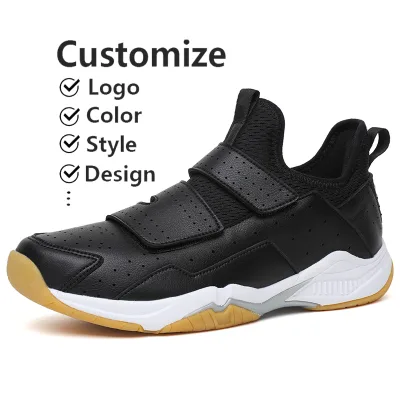
The current market landscape for tennis and casual athletic footwear reveals a diverse range of product types, including sneakers, court shoes, and specialized athletic wear. Observed listings indicate a strong emphasis on customization, with many suppliers offering OEM and ODM services to tailor products to specific brand identities. The product names vary from "Casual Shoe Sneakers" to "Unisex Tennis Shoes," reflecting the hybrid nature of modern athletic design. Keywords such as "Kicks" and "Court Shoes" suggest a broad appeal that spans both professional performance and casual lifestyle usage. This versatility allows buyers to source footwear that meets dual purposes, catering to both competitive athletes and general consumers who value style alongside function.
Price and minimum order quantity (MOQ) ranges observed in the market provide insight into the scalability of potential supply chains. Prices vary significantly, ranging from affordable entry-level options to premium specialized footwear, indicating a tiered market structure. MOQs also fluctuate, allowing both small boutique brands and large enterprises to find suitable partners. The availability of customizable sizes and standard packaging options further enhances the flexibility for buyers. However, the presence of both waterproof and non-waterproof options within the same price brackets underscores the need for precise specification alignment. Buyers must carefully review product attributes to ensure that the selected footwear meets their specific performance and environmental requirements.
Technical Specifications to Verify
When evaluating technical specifications, the upper material composition is a primary factor in determining breathability and durability. Many observed products feature breathable mesh uppers combined with cotton fabric linings, which help manage moisture and enhance comfort during intense physical activity. The inclusion of anti-microbial properties in some listings suggests an added layer of hygiene maintenance, which is particularly valuable for footwear subjected to frequent wear. Buyers should verify the specific mesh density and lining materials to ensure they align with the intended use case, whether for high-intensity sports or casual daily wear. This verification ensures that the footwear provides adequate ventilation while maintaining structural integrity over time.
The outsole and midsole configurations are critical for traction, shock absorption, and overall court performance. Observed specifications highlight non-marking rubber outsoles with anti-slip multi-directional grip patterns, which are essential for maintaining stability on various court surfaces. The use of EVA foam or PU cushioning in the midsole provides lightweight shock absorption, reducing impact stress on joints. Additionally, features such as reinforced toe caps and lateral support structures enhance durability and prevent injuries during lateral movements. Buyers must confirm the presence of these technical elements to ensure the footwear meets the rigorous demands of tennis and other athletic activities, providing both protection and responsive performance.
Compliance and Safety Documentation
Ensuring that footwear meets international safety and quality standards is a fundamental aspect of responsible sourcing. Buyers should request documentation that verifies the materials used in the construction of the shoes, particularly regarding the absence of harmful substances. While specific certification statuses are not universally disclosed in observed listings, reputable suppliers should be able to provide test reports confirming compliance with relevant chemical regulations. This includes verifying that the adhesives, dyes, and synthetic materials used in the uppers and soles are free from toxic elements. Such documentation is crucial for maintaining brand integrity and ensuring consumer safety, especially when targeting markets with strict regulatory requirements.
In addition to chemical compliance, buyers should assess the supplier's adherence to manufacturing quality standards. This involves verifying that the production processes follow consistent quality control protocols to minimize defects and ensure product longevity. Documentation related to labor practices and ethical manufacturing can also be important for brands committed to social responsibility. While specific standard names may vary, the expectation is that suppliers operate in facilities that meet recognized industry benchmarks for safety and quality. Buyers should inquire about the supplier's quality management systems and their approach to continuous improvement, ensuring that the final products meet both functional and ethical expectations.
Cost Drivers and Commercial Terms
Several factors influence the final cost of tennis and athletic footwear, with material selection and customization being primary drivers. The use of premium materials such as specialized mesh, EVA foam, and non-marking rubber can increase production costs but also enhance product performance and durability. Customization options, including logo placement, color schemes, and packaging, add complexity to the manufacturing process and can affect pricing. Buyers should understand how these variables impact the unit cost and negotiate terms that align with their budget and volume requirements. Transparent communication with suppliers regarding cost breakdowns can help identify areas for potential savings without compromising quality.
Commercial terms, including payment methods, shipping arrangements, and lead times, play a significant role in the overall procurement strategy. While specific lead times are not detailed in the observed data, buyers should establish clear expectations with suppliers regarding production schedules and delivery timelines. Flexible MOQs can benefit smaller buyers, but larger volumes may offer better pricing advantages. It is essential to negotiate terms that protect both parties, including clauses for quality assurance and dispute resolution. Understanding the full scope of commercial terms helps buyers manage cash flow and inventory levels effectively, ensuring a smooth supply chain operation.
Supplier Qualification and Quality Control
Selecting the right supplier requires a thorough evaluation of their manufacturing capabilities and quality control processes. Buyers should verify the supplier's experience in producing athletic footwear and their ability to meet specific technical requirements. This includes assessing their production facilities, equipment, and workforce expertise. Suppliers who offer OEM and ODM services demonstrate flexibility and innovation, which can be valuable for brands seeking unique product offerings. However, buyers must ensure that these capabilities are backed by robust quality control measures to maintain consistency and reliability in product delivery.
Quality control should be integrated throughout the production process, from raw material inspection to final product testing. Buyers should inquire about the supplier's QC protocols, including in-line inspections and final random inspections. Documentation of these processes can provide assurance that the products meet specified standards. Additionally, suppliers should have mechanisms in place for addressing defects and implementing corrective actions. Establishing a strong partnership with a supplier who prioritizes quality can lead to long-term benefits, including improved product performance and customer satisfaction. Regular audits and feedback loops can further enhance the quality assurance process.
Long-Term Procurement Checks
Sustaining a successful procurement relationship requires ongoing monitoring and evaluation of supplier performance. Buyers should establish key performance indicators (KPIs) to track metrics such as on-time delivery, product quality, and responsiveness to issues. Regular communication with suppliers helps identify potential problems early and fosters a collaborative environment. Continuous improvement initiatives, such as joint product development or process optimization, can enhance the value proposition for both parties. By maintaining a proactive approach to supplier management, buyers can mitigate risks and ensure a stable supply of high-quality footwear.
Market trends and consumer preferences evolve rapidly, requiring buyers to stay informed about changes in the athletic footwear industry. This includes monitoring advancements in materials, design innovations, and sustainability practices. Buyers should regularly review their product offerings to ensure they remain competitive and aligned with market demands. Engaging with suppliers who are committed to innovation and sustainability can provide a strategic advantage. Long-term procurement checks should also include assessing the supplier's financial stability and capacity to scale production as needed. This holistic approach ensures that the procurement strategy remains resilient and adaptable to future challenges.
FAQs
Are these tennis shoes waterproof?
No, the product specifications explicitly state that these sneakers are not waterproof. They feature a breathable mesh upper and moisture-wicking lining designed for ventilation rather than water resistance. Buyers requiring dry conditions should consider alternative materials, as the current design prioritizes airflow and comfort for active court performance.
What cushioning technology do they use?
These shoes utilize EVA foam for shock absorption and lightweight cushioning. The midsole provides impact protection suitable for running and basketball, while the flexible sole ensures natural bend motion. This combination supports athletic performance by reducing joint stress during high-impact movements on hard or clay courts.
Can I customize the logo and packaging?
Yes, OEM and ODM services are available for custom logos and packaging. Buyers can request standard or customized packing options, including box packaging. The manufacturer accepts personalized branding requirements, allowing businesses to tailor the product appearance and presentation to match their specific market identity and distribution needs.
What sizes are available for these sneakers?
Customizable size ranges are available to meet specific order requirements. The product supports custom sizing specifications, ensuring a proper fit for diverse customer bases. This flexibility allows buyers to order precise dimensions rather than being limited to standard retail sizes, facilitating better inventory management for specialized athletic footwear markets.
Where are these shoes manufactured?
These sneakers are manufactured in Fujian, China. The production origin is clearly documented in the product specifications. Buyers sourcing from this region benefit from established manufacturing infrastructure, though lead times and shipping logistics should be verified directly with suppliers to ensure timely delivery for international orders.
What materials are used in the lining?
The lining material varies, with options including cotton fabric and mesh. These materials are selected for breathability and moisture management. The cotton fabric offers comfort, while the mesh upper enhances airflow. This dual-material approach ensures the shoes remain comfortable during extended wear in various athletic applications like tennis or casual use.